

Under the tile of a bathroom sit a waterproofing system, a substrate that has to stay still, and falls that carry water to a drain. That layer is most of the work and nearly all of the risk, and it is the half two quotes rarely price the same way.
The half of the room you cannot see
A bathroom is a small room with a lot of building in it. Under the finishes sit a waterproofing system, a substrate that has to stay still, and falls that take the water to the drain. Behind the walls sit a vent route to outside air and blocking for anything that hangs off them.
Two bathrooms can look alike on handover day and be entirely different below the tile. The difference does not show at the point you pay for it. It shows a few years later, in the ceiling of the room underneath.
This is also why CAS publishes no bathroom price and no rate per square foot. The room is small, so area is the least informative thing about it. What the job costs is set by what the hidden half has to do, and that is not visible until the old room is out.
Price the two halves apart
The single most useful thing to ask of a bathroom quote is that the layer underneath and the layer you see are priced separately. It is the only way to tell which half a change is really touching when you ask what it would cost to do something differently.
Two halves of the same small room
Changes on the left are cheap now and close to unreachable later. Changes on the right stay reversible for as long as you own the house.
The layer underneath
- Substrate: the board or screed the tile is bonded to, and whether the floor under it flexes
- A tested waterproofing system, installed to the manufacturer's instructions, which is what makes it a system and not a coat of paint
- The falls and the drain, including a linear drain if the shower is to be level with the floor
- Ventilation ducted to an outside wall, sized for the room, and quiet enough that it gets used
- Blocking in the wall for a hung basin, a glass panel or a grab rail, which has to be there before the board goes on
The layer you see
- Tile format and layout, which set the labour far more than the price per box does
- Glass, measured after the tiling is finished
- Vanity, basin, taps and the shower valve
- Lighting, the mirror and a heated floor if you want one
- Paint, trim and the accessories that screw to a finished wall
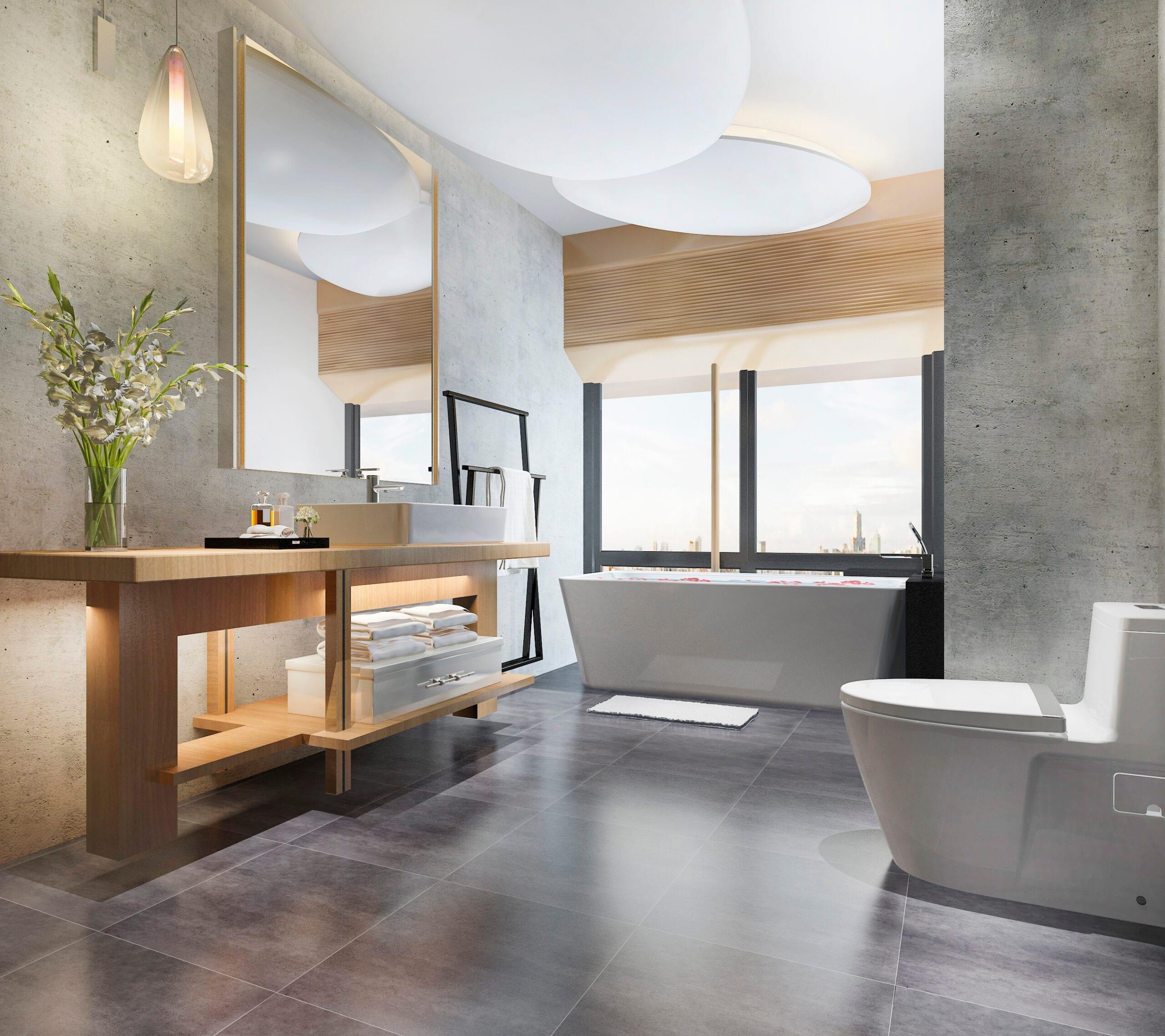
What turns up when the tile comes off
None of the following is visible when a quote is written, and in an older Vancouver house none of it is unusual. Each one lands in the programme before the new work can start, which is why it also costs schedule and not only money.
- A substrate gone soft at the shower, where water has been getting past the grout for years
- A slow leak at a valve or under a pan, found as a stain on the joists rather than as a drip
- A joist notched or drilled through for a pipe by whoever fitted the last bathroom
- An extract fan ducted into the ceiling void instead of out through the wall, which has been humidifying the roof space
- No membrane at all under an old mortar bed, which was normal practice once and is not a repair you can make from above
A quote written before the room is opened is a price for the bathroom somebody hopes is in there. The useful version says what is included, what is assumed, and what happens to the number if the assumption is wrong.
When the paperwork comes into it
Replacing a vanity and retiling usually does not need an approval. Moving or altering plumbing, electrical or gas does, and so does a change to a wall. Most full bathrooms reach at least one of those, which is worth knowing before the room is in a skip.
In an apartment there is a second layer: strata approval, booked access, work-hour limits and protection through shared space. None of it is difficult and all of it has to be planned around rather than discovered.
Two pages worth having open
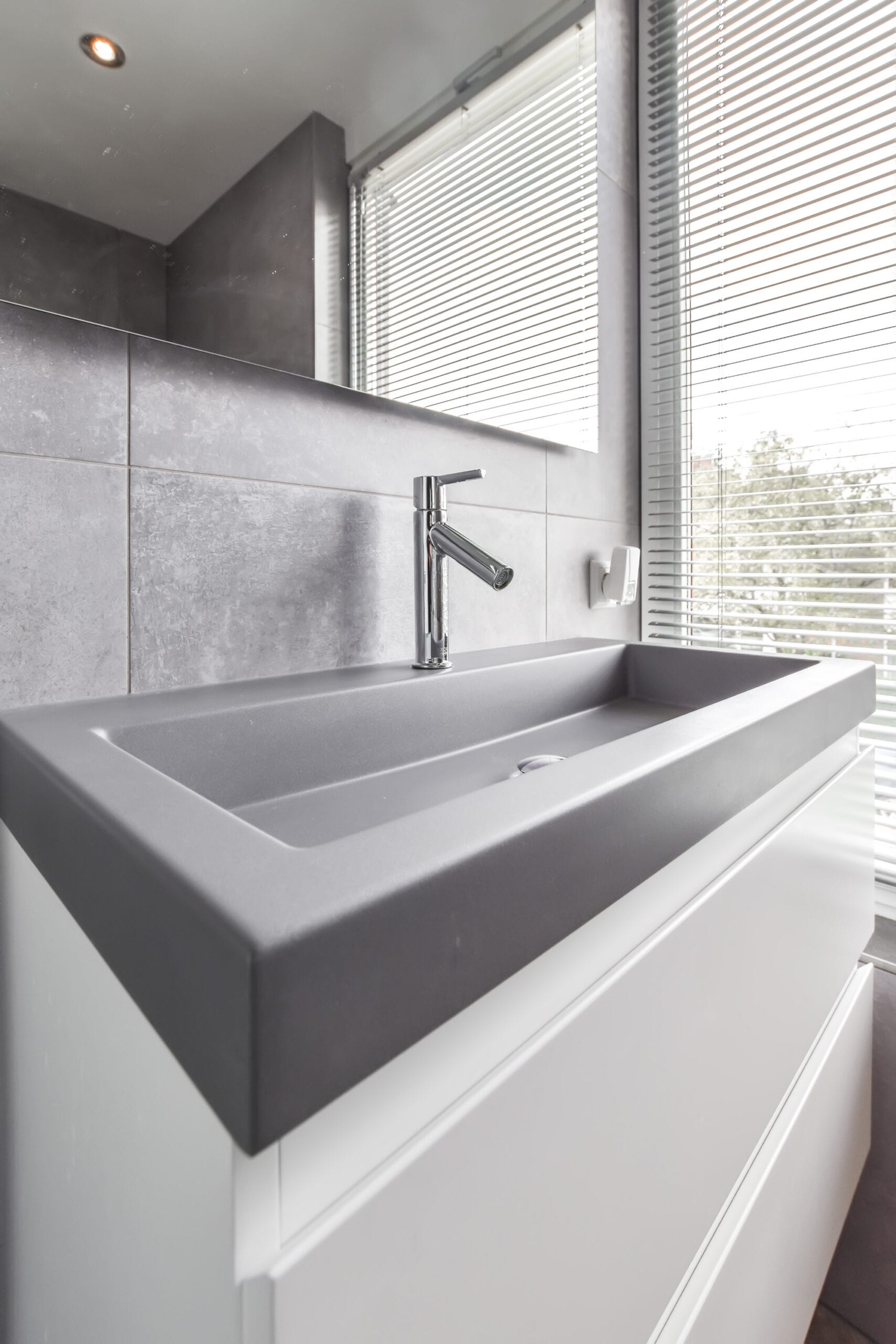
Six lines, each priced on its own
Six lines, each priced on its own. Where two quotes differ sharply on one of them, that line is the conversation to have, and usually the reason one of the totals is lower.
The lines that make two bathroom quotes comparable
- Strip out, disposal and making good
- Taking the room back to structure, getting it off site, and repairing what the removal damaged. The ceiling below often belongs here and is often missing from the page.
- Substrate and waterproofing
- Named as a system, not described as waterproofing. Which product, applied where, and who certifies it. This is the line a lower total is most often lower because of.
- Tiling labour, apart from tile supply
- Labour follows format and layout; supply follows your choice of tile. Keeping them apart is what lets you change the tile later without re-pricing the whole room.
- Plumbing, with the fixture list written out
- Rough-in and connection, and whether any fixture moves. A list by name also settles who is buying the taps, which is a frequent gap between two quotes.
- Electrical, ventilation and heating
- Circuits, lighting, the fan with its duct route to outside, and a heated floor with its thermostat. The duct route is the part worth reading twice.
- Glass, measured after tiling
- Priced as a provisional line, because the measurement does not exist until the walls are tiled. A fixed glass price quoted in advance is an estimate wearing a firm number.
A bathroom is the one room where the cheapest decision and the soundest one can look identical on the day it is handed over.
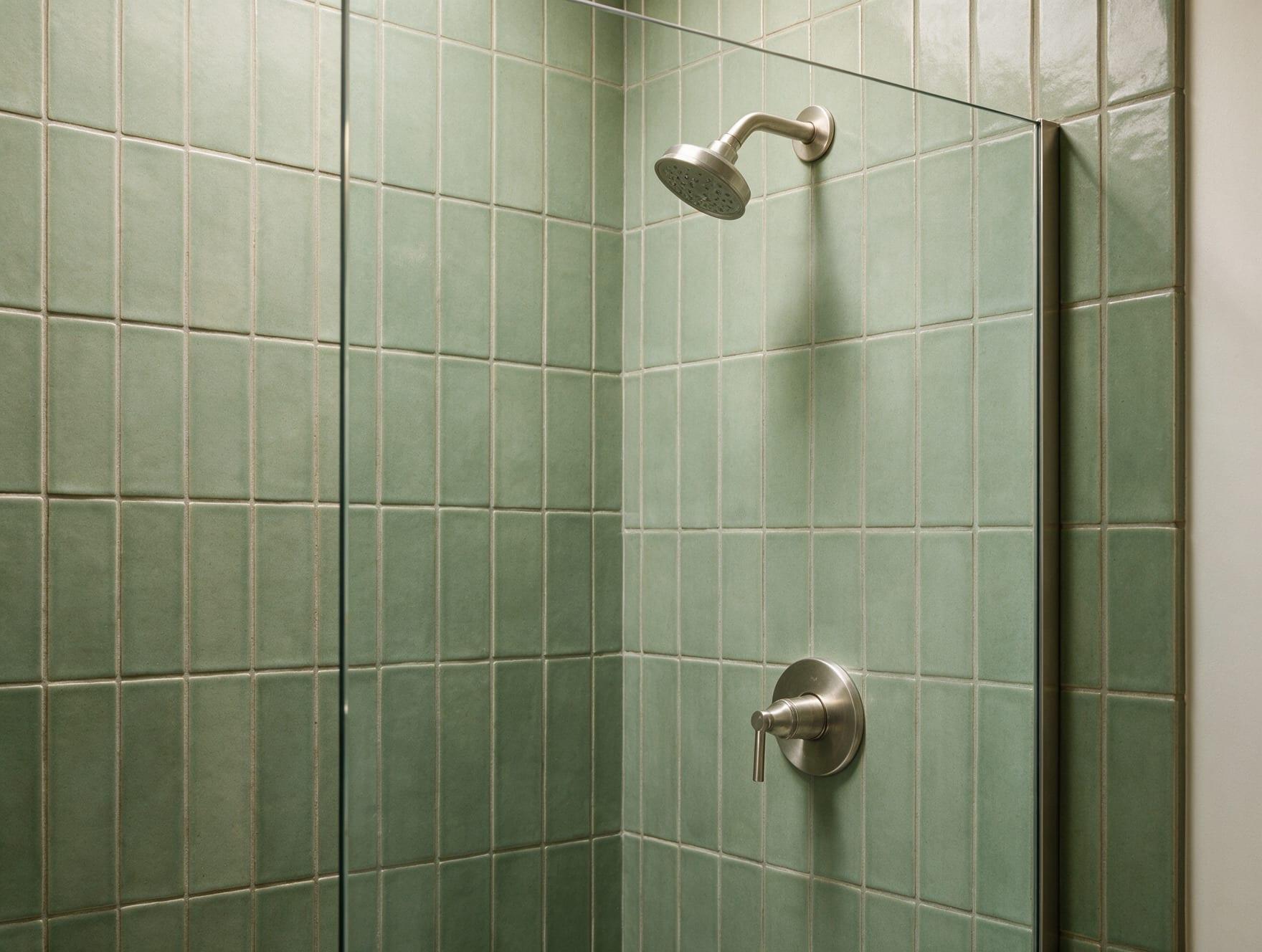
The order that keeps the cost down
Almost every avoidable cost in a bathroom comes from a decision made after the point it was needed. The sequence below is the cheap version of the same project.
Settle the layout before anything else. Where the toilet, the basin and the shower sit decides the services, the storage and most of the cost, and every later choice is specified against it.
Choose the tile once. A change after rough-in moves the drain, the niches, the glass and the setting-out, and the tile itself is the smallest part of that bill.
Specify the fan and its duct route at the same time as the lighting. Both are decided while the walls are open, and only one of them is easy to add afterwards.
Order against the slowest item rather than the first one you chose. Tile, stone, brassware and a bath each have their own lead time, and the room waits on whichever lands last.
Leave the glass until the tiling is done and measured. Ordering it early is how a panel ends up scribed, packed or replaced.
One place not to look for a saving is the hidden half. Waterproofing, tiling and plumbing are specialised work, and the only way to inspect any of it later is to take the finished room apart again.